Charting Transaction Verification Sequences That Unlock or Block Promotional Cycles Across Digital Gaming Platforms
Kai Koch · Sep 4, 2026
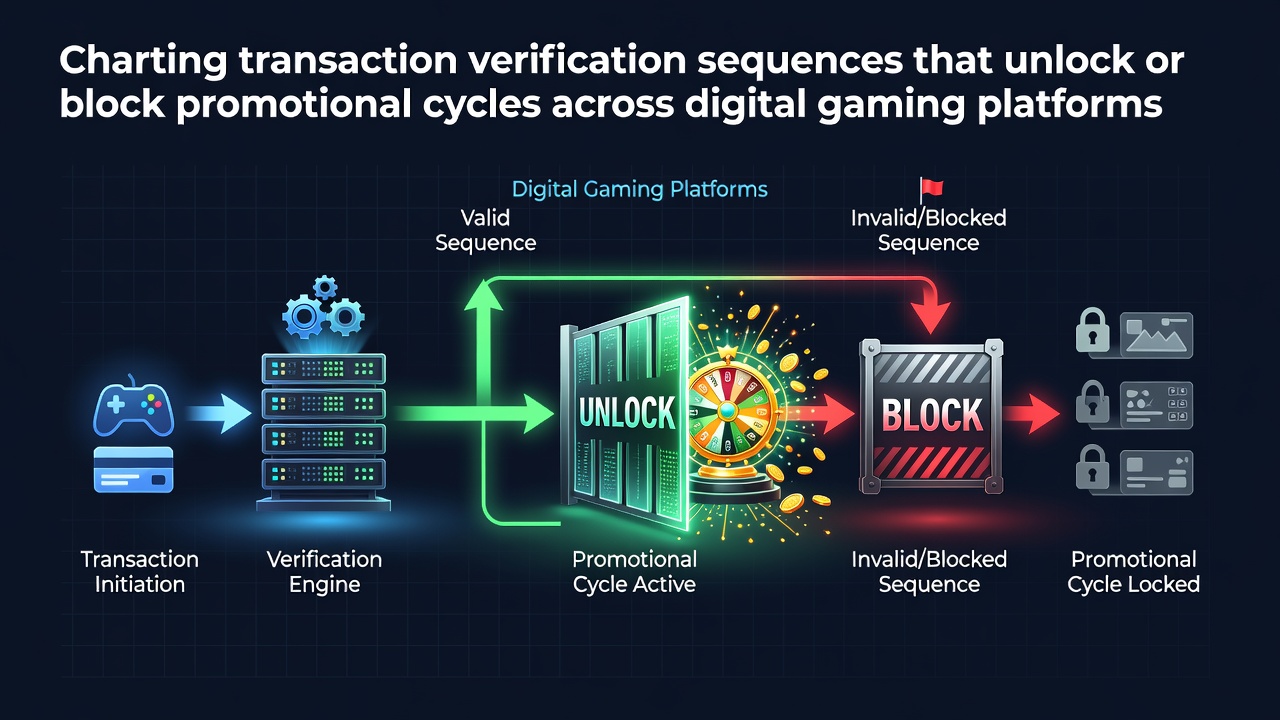
Charting Transaction Verification Sequences That Unlock or Block Promotional Cycles Across Digital Gaming Platforms
Transaction verification sequences operate as structured checkpoints that determine whether promotional cycles activate or remain suspended on digital gaming platforms, and these processes rely on layered data checks that begin the moment a user initiates a deposit or withdrawal. Researchers at institutions such as the University of Nevada Reno have documented how each step in the sequence pulls information from payment processors, identity databases, and internal risk engines before any bonus funds become available for play.
Core Components of Verification Sequences
Initial authorization requests travel through multiple gateways where payment details undergo encryption validation and account linkage confirmation, while subsequent stages cross-reference user behavior patterns against regulatory thresholds set by bodies like the Nevada Gaming Control Board. Data from these checks flows into a central ledger that records timestamps for each approval or flag, creating an audit trail that platforms reference when deciding to release or withhold promotional credits. Observers note that delays at any single node can cascade through the entire cycle and prevent time-sensitive offers from unlocking within their designated windows.
Unlock Pathways and Their Data Triggers
Sequences that unlock promotional cycles typically complete when verification confirms consistent payment history, full identity matches across external databases, and compliance with minimum deposit thresholds, and platforms then trigger automated bonus assignments that appear in user accounts within minutes. Studies from the Canadian Gaming Association indicate that successful sequences often incorporate real-time API calls to banking partners alongside internal geolocation confirmations, allowing offers tied to specific events or seasons to activate without manual intervention. In September 2026 several major platforms introduced enhanced multi-factor authentication layers that integrate biometric signals into these pathways, shortening the average unlock time for verified users while maintaining security standards.
Additional triggers include successful completion of responsible gaming questionnaires and linkage of loyalty program identifiers, both of which feed into scoring models that platforms use to greenlight promotional releases. When all required data points align without discrepancies, the system advances the sequence to the final confirmation stage where bonus terms become visible and playable funds are credited.
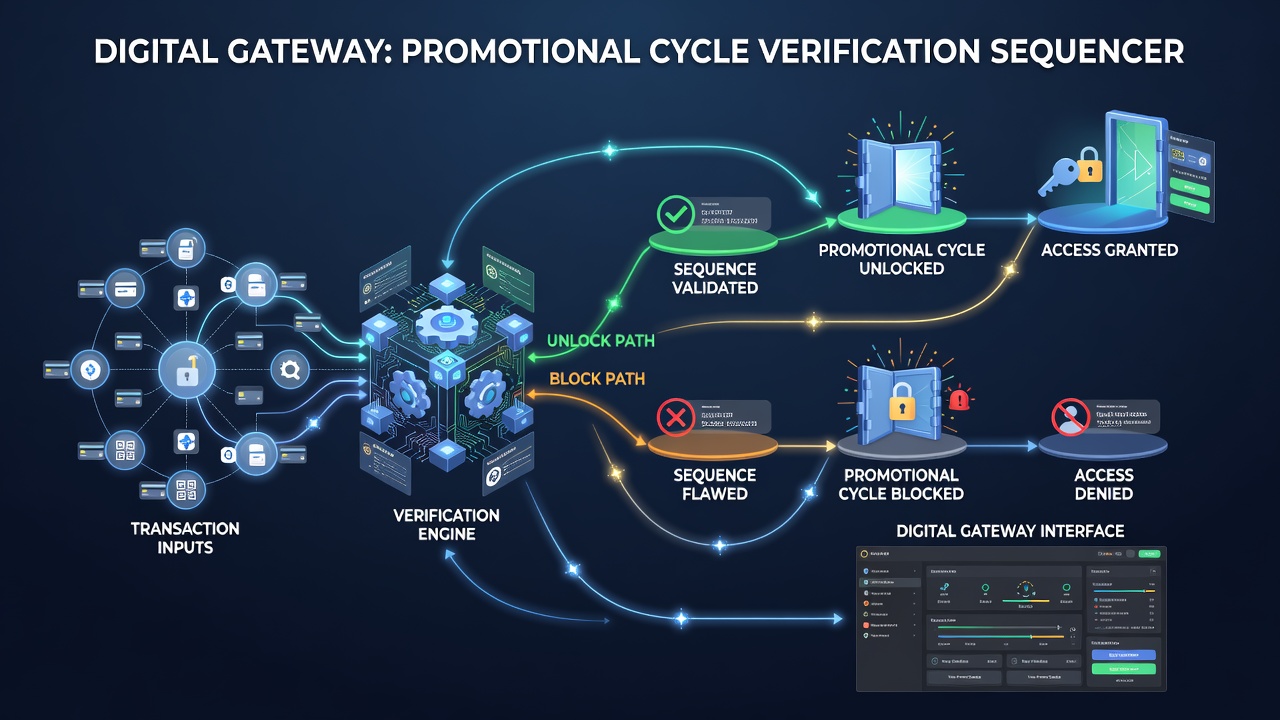
Blocking Mechanisms and Their Sequence Points
Verification sequences block promotional cycles when any checkpoint detects mismatched information, incomplete documentation, or risk indicators such as rapid successive transactions from new payment methods, and platforms then place the cycle on hold until resolution occurs. According to reports from the Australian Communications and Media Authority, common blocking points involve failed address verification or temporary holds placed by financial institutions during high-volume periods, both of which interrupt the data flow required for bonus activation. Those who manage platform operations often monitor these interruption points through dashboard alerts that highlight exactly which sequence stage requires attention before the promotional window closes.
Further blocks arise from regulatory compliance flags that surface during periodic audits, particularly when transaction volumes exceed predefined limits without corresponding source-of-funds documentation. In such cases the sequence pauses at the compliance review node, and users receive notifications outlining the additional materials needed to resume the process. Research published through the European Gaming Institute shows that platforms implementing predictive analytics at earlier sequence stages reduce the frequency of late-stage blocks by identifying potential issues before they halt promotional releases.
Platform Variations in Sequence Design
Different digital gaming environments structure their verification sequences with varying emphasis on speed versus depth, and some prioritize rapid identity checks through third-party services while others maintain longer internal review periods for high-value accounts. Platforms operating under Malta Gaming Authority oversight, for instance, integrate specific reporting requirements into their sequences that differ from those used in North American jurisdictions, creating distinct unlock and block patterns across regions. Analysts tracking these differences observe that users who maintain consistent payment profiles across multiple platforms encounter fewer interruptions regardless of the verification approach each site employs.
September 2026 saw several operators adopt standardized data exchange protocols that allow partial verification results to transfer between affiliated platforms, reducing redundant checks for returning users while preserving each site's independent risk assessment capabilities. This development has streamlined sequences without altering the fundamental checkpoints that determine promotional eligibility.
Conclusion
Transaction verification sequences function as precise gatekeepers that either advance or arrest promotional cycles depending on how cleanly data moves through each required stage, and ongoing refinements in September 2026 and beyond continue to shape how platforms balance security, compliance, and user access. Mapping these sequences reveals consistent patterns across providers even as regional regulations introduce localized variations in timing and documentation demands. Those who study the underlying data flows gain clearer insight into why certain accounts experience seamless bonus releases while others encounter repeated holds at predictable checkpoints.