Visa Clearance Windows as Gatekeepers for Time-Limited Bonus Cycles in Digital Gaming Venues
Elena Baumann · Aug 21, 2026
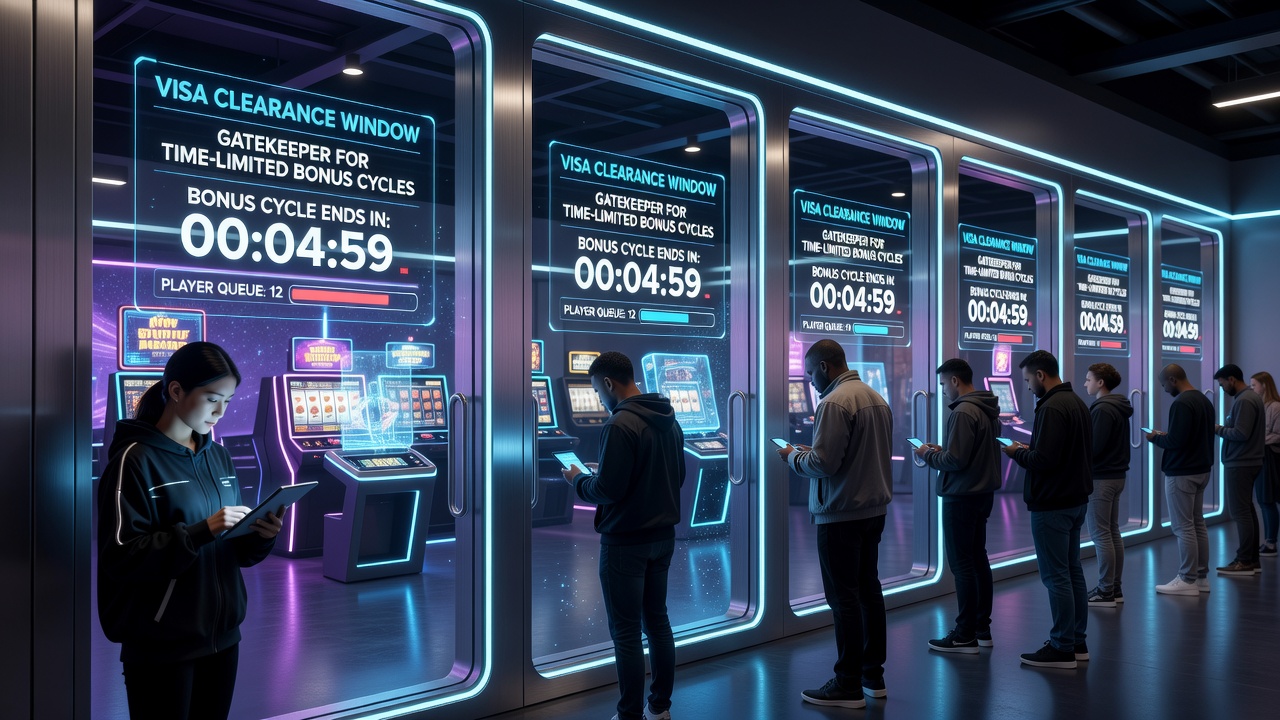
Visa Clearance Windows as Gatekeepers for Time-Limited Bonus Cycles in Digital Gaming Venues
Digital gaming venues rely on payment processors to activate time-sensitive bonuses, and Visa clearance windows determine when funds become available for wagering cycles. Authorization occurs almost instantly at the point of deposit, yet settlement can stretch across several business days depending on the venue's banking partner and regional processing rules. Those windows create a buffer that directly influences whether players meet bonus expiry deadlines tied to specific deposit methods.
How Visa Processing Timelines Interact with Bonus Activation
Visa transactions move through multiple stages that include authorization, capture, and settlement, and each stage carries its own timeframe. Researchers at the University of Nevada, Las Vegas documented average settlement delays of one to three days for international gaming deposits in their 2024 payment infrastructure study. Observers note that many venues define the bonus cycle start as the moment cleared funds reach the player account rather than the initial authorization timestamp. This distinction matters because a player who deposits on a Friday evening may not see the bonus credit appear until the following Monday or Tuesday in certain jurisdictions.
Payment channel variations add further complexity. Venues partnered with European acquirers often experience faster settlement compared with those routing through North American processors, according to figures released by the European Gaming and Betting Association. The difference can shift bonus eligibility windows by 24 to 48 hours, which alters strategies for players managing multiple time-limited offers across sites.
Regional Regulatory Influences on Clearance Standards
Gaming regulators in different regions set distinct expectations around transaction transparency. The Malta Gaming Authority requires operators to disclose estimated settlement periods for each accepted payment method, while the Nevada Gaming Control Board mandates that venues publish average clearance times in their terms documentation. These requirements emerged partly because data collected between 2023 and 2025 showed consistent player complaints about mismatched bonus start dates caused by processing lags.
Industry reports from the American Gaming Association highlight that venues operating across multiple markets must maintain separate bonus clock rules based on the originating payment rail. A single Visa deposit processed through a Canadian bank may clear in under 24 hours, whereas the same card routed through an Australian issuer can require up to four days. Venues therefore program their systems to adjust bonus expiry dates automatically according to the detected acquirer region.
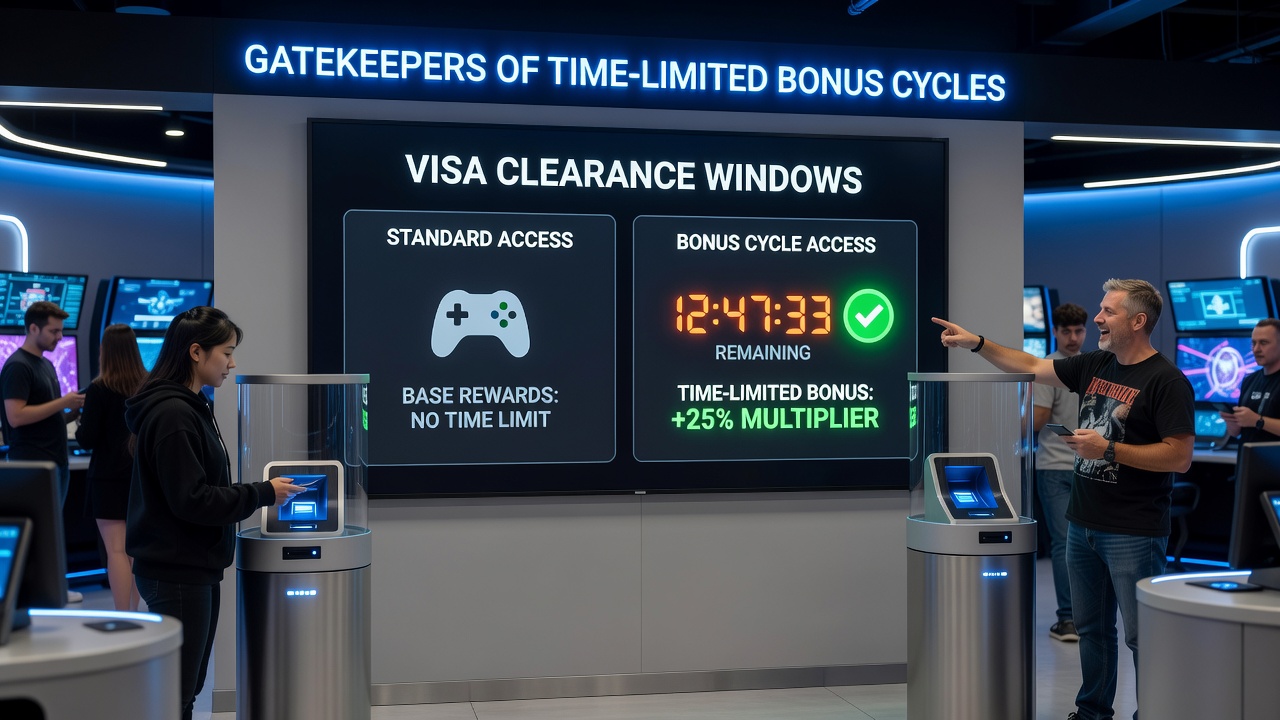
Practical Effects on Player Account Management
Players who monitor transaction status through their banking apps often discover that authorization holds do not equal cleared balances. One documented case involved a mid-August 2025 deposit at a multi-jurisdictional venue where the bonus clock started only after the settlement notification arrived three days later. The player missed the original 14-day wagering window by 48 hours because the system used settlement confirmation as the trigger point.
Venues have introduced automated alerts that notify users once funds move from pending to cleared status. These notifications help align player expectations with actual processing realities, and data from 2025 operator surveys indicate a measurable drop in support tickets related to bonus timing disputes after such features rolled out.
Future Developments Expected by August 2026
Payment networks continue testing faster settlement protocols that could compress current clearance windows. Visa has signaled expanded adoption of real-time processing rails in select markets by mid-2026, which would reduce the gap between authorization and final settlement for gaming deposits. Operators are already updating their bonus management platforms to accommodate these shorter windows, including dynamic expiry adjustments that reflect real-time clearance data rather than fixed calendar rules.
Conclusion
Visa clearance windows function as technical gatekeepers that shape the usable duration of time-limited bonuses in digital gaming venues. Settlement timing varies by region, acquirer, and regulatory framework, forcing venues to implement adaptive systems that track cleared balances instead of authorization events. Continued evolution of payment rails by 2026 is expected to shorten these intervals and reduce friction between deposit and bonus activation cycles.